Smart Machine Intelligence
The computational core of modern automated precision machinery
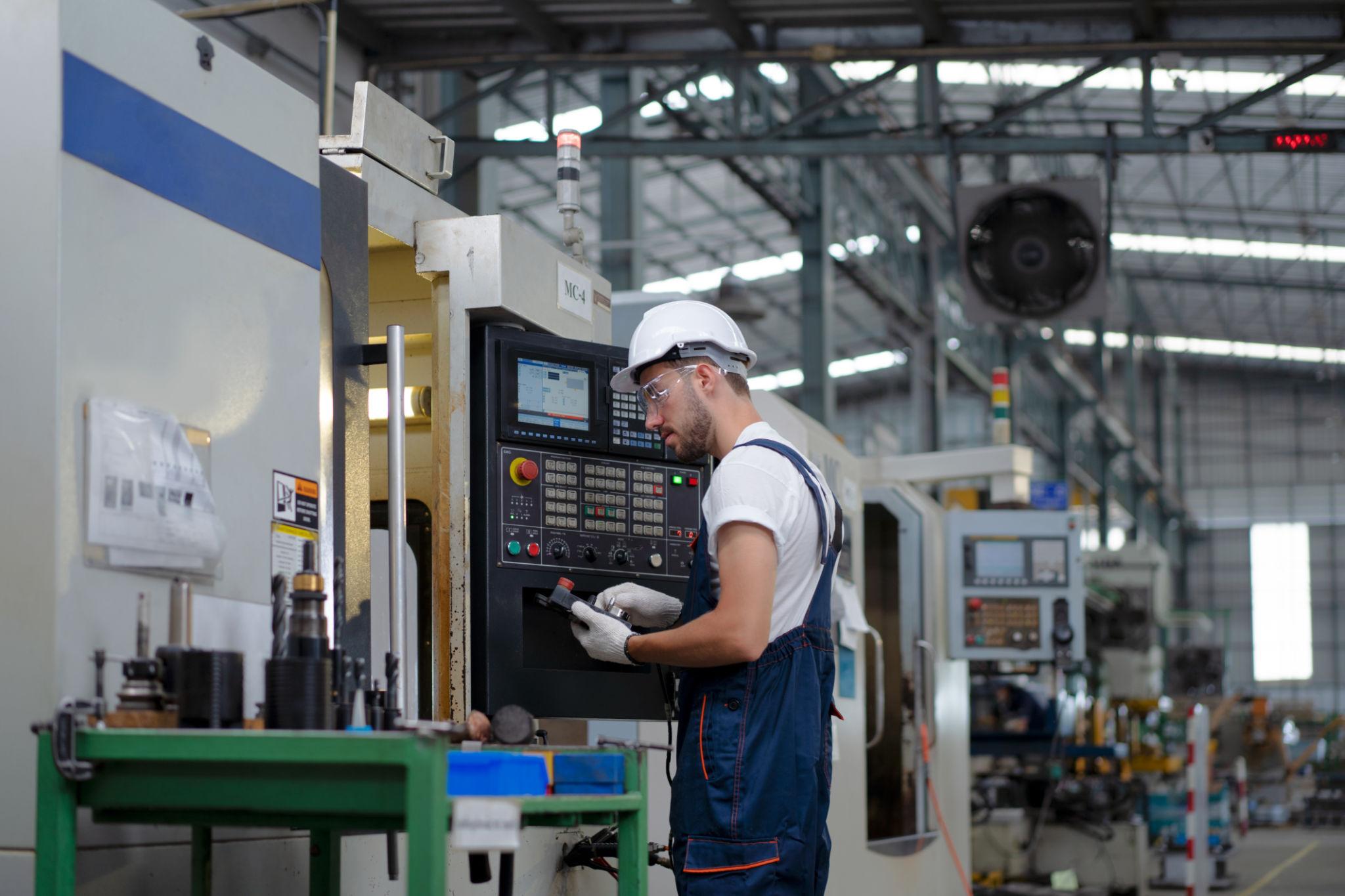
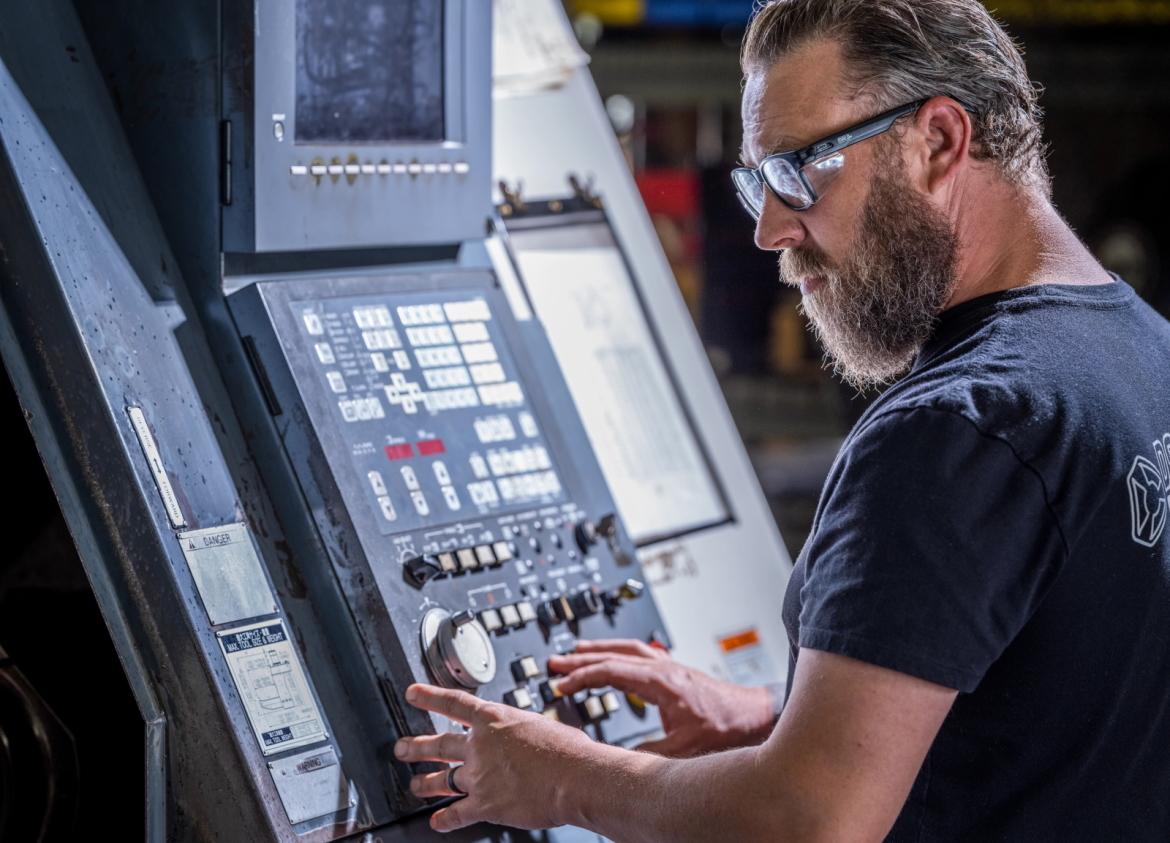
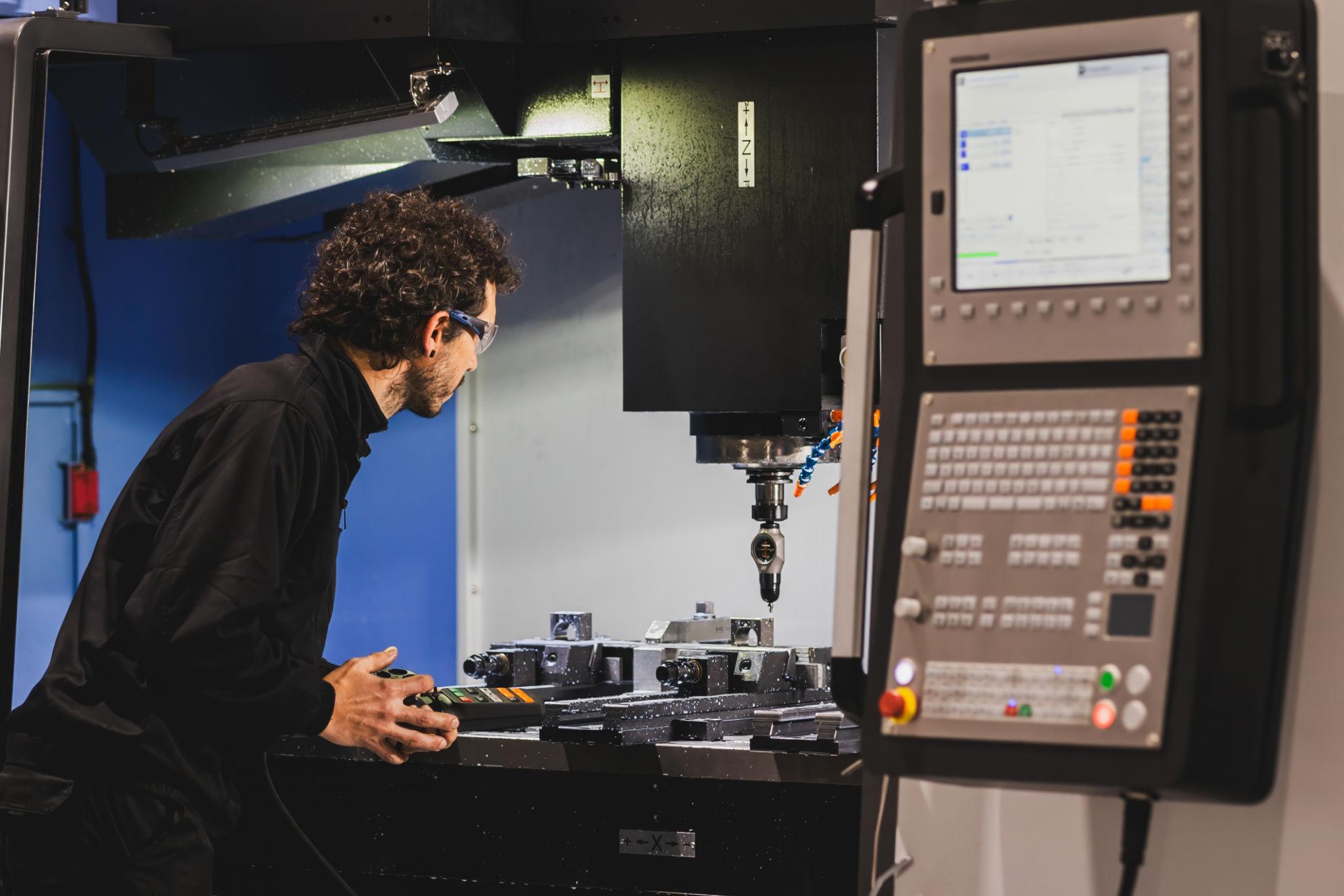
A CNC Control System is an electronic controller that interprets G-code and M-code commands, controls machine axes, spindle operations, tool changes, and monitors the entire machining process in real time. It acts as the computational brain of modern CNC machines — processing programs, controlling movements, and ensuring high-precision manufacturing across all industrial operations.
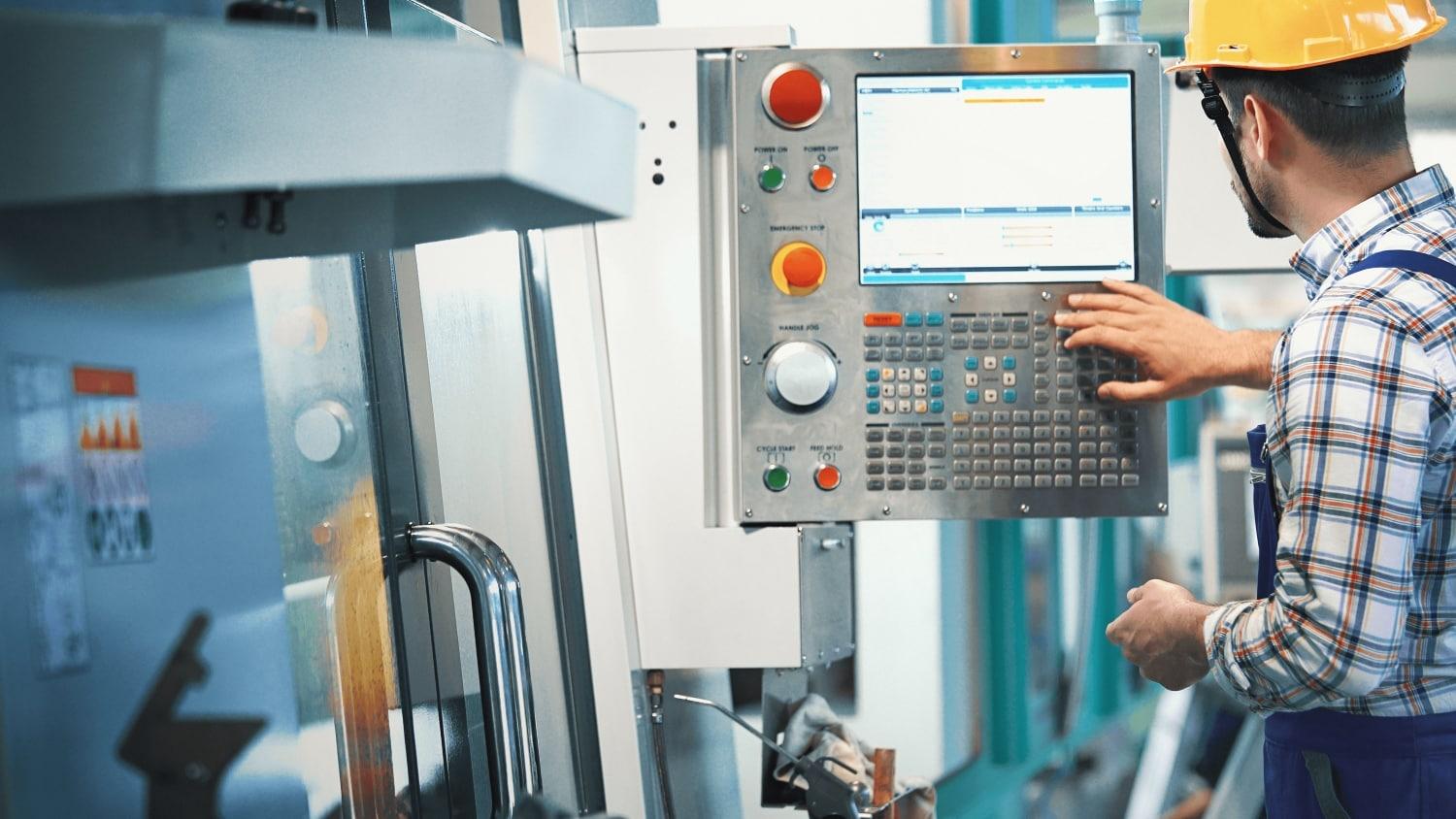
Explore the synchronized sub-systems that deliver micro-precision axis movement
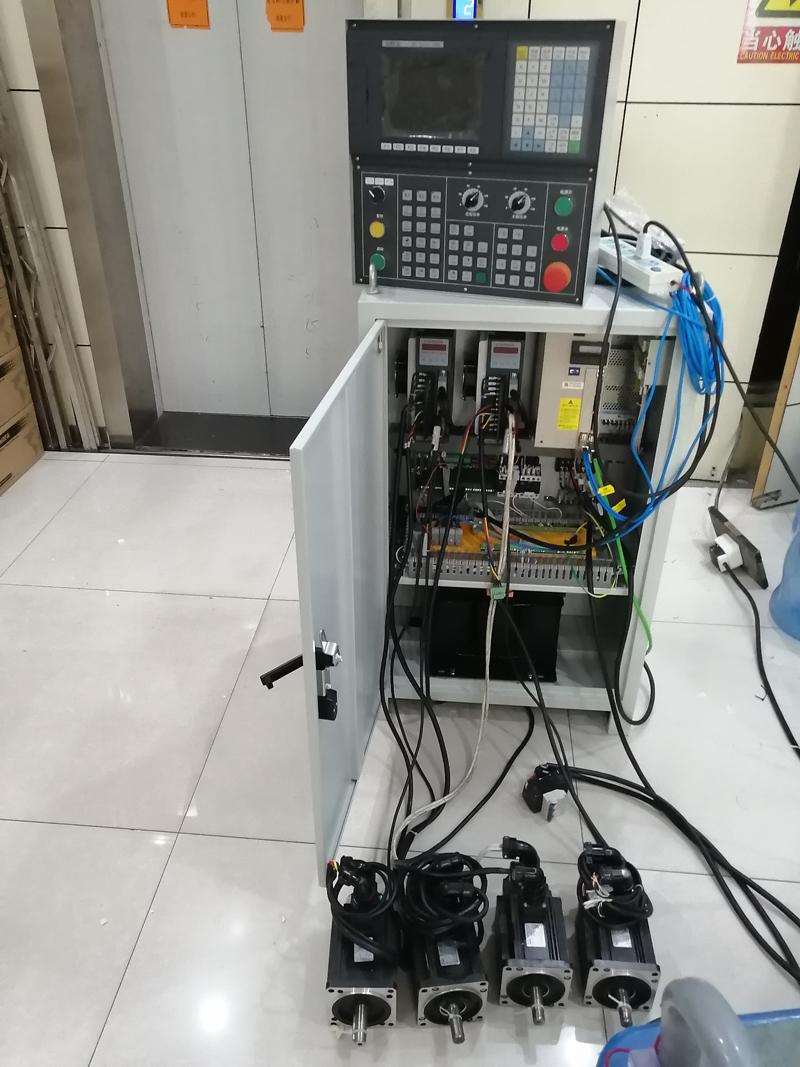
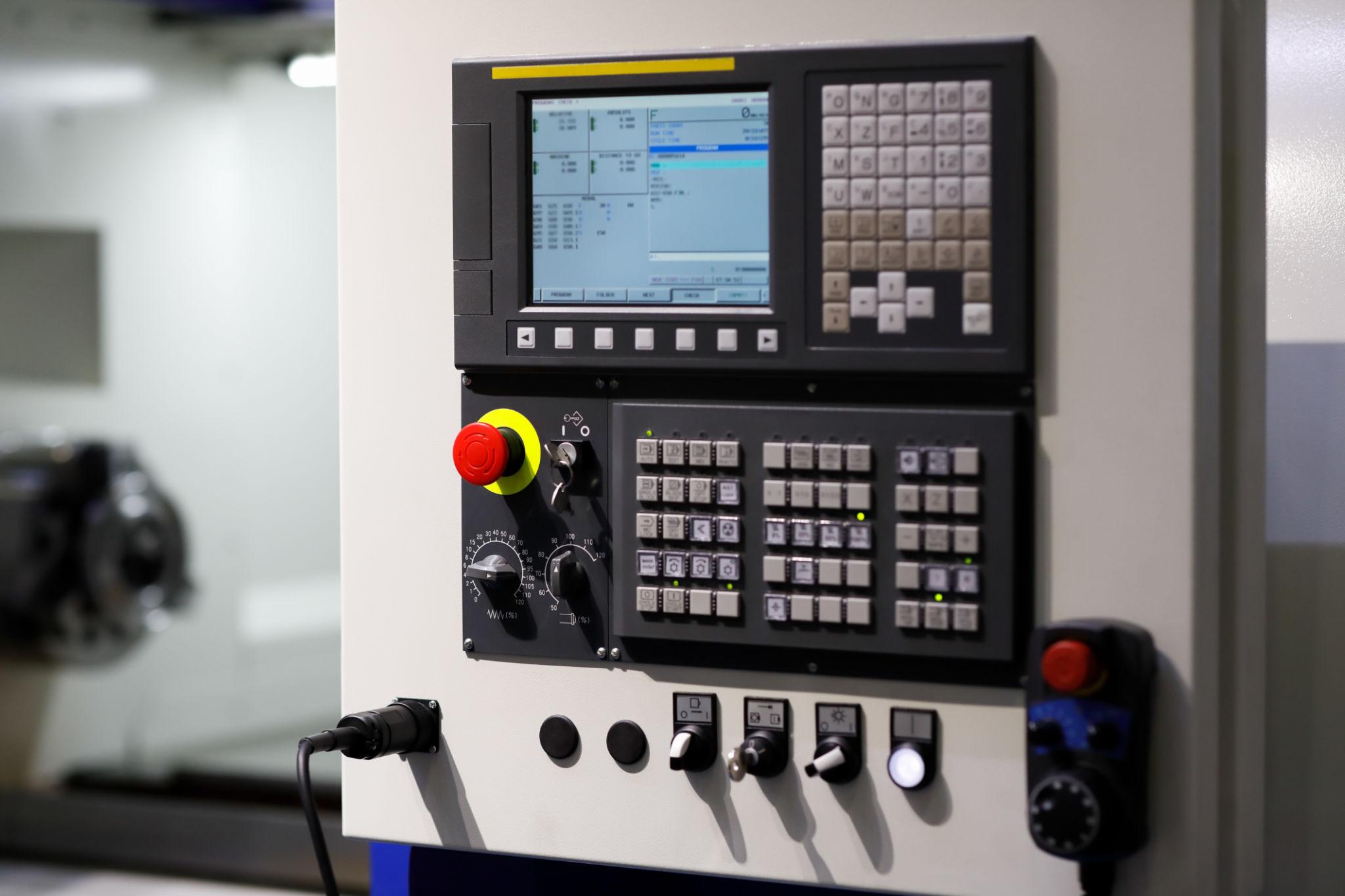
The central processing core of the system. It reads numerical G-code programs, performs real-time path calculations, coordinates axis velocities, and sends positioning commands to servo networks.
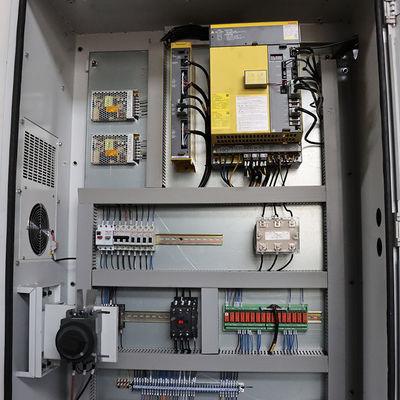
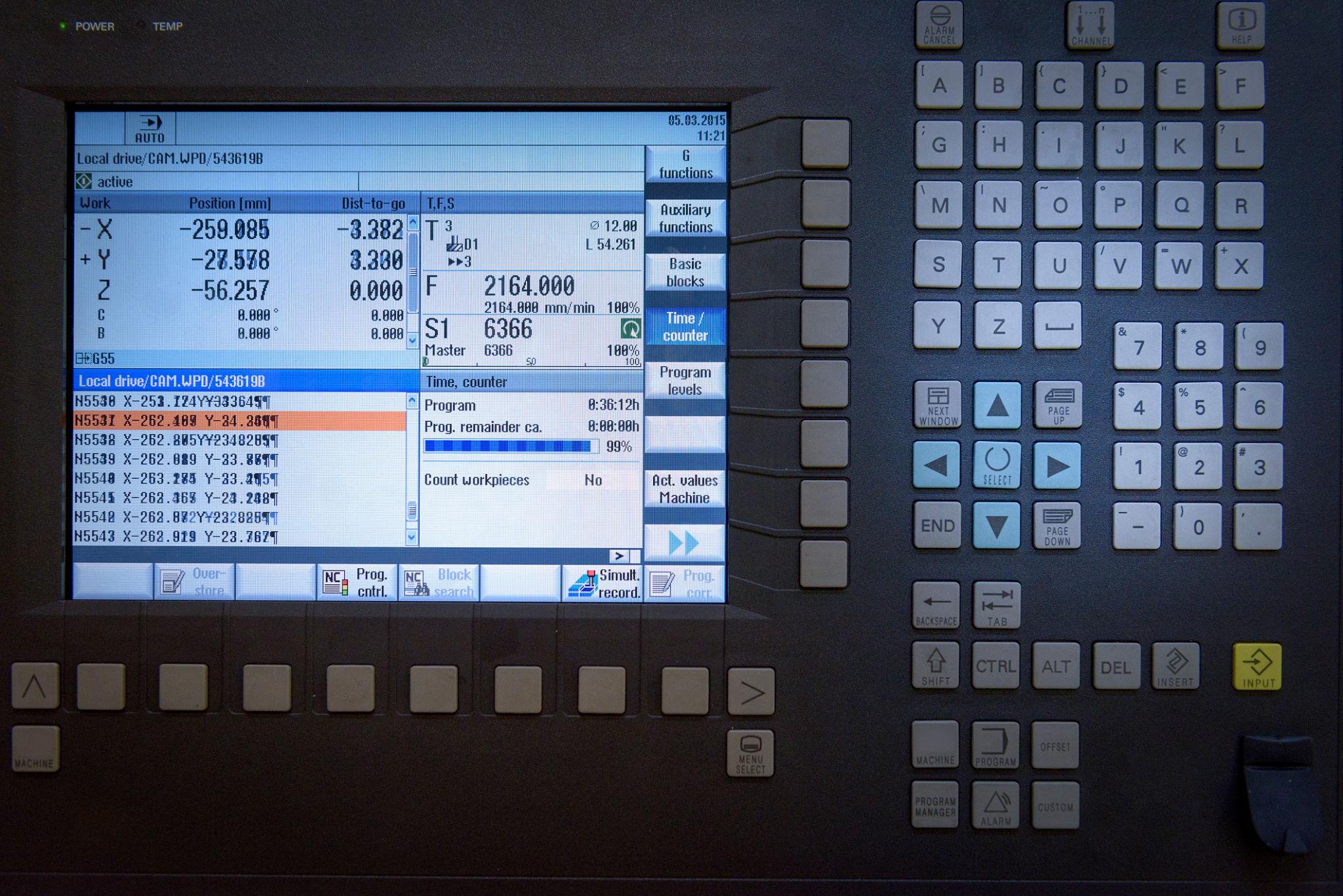
The Human-Machine Interface panel allows operators to load machining programs, execute G-codes, perform setups, offset tools, monitor feed-rates, and read real-time coordinate data.
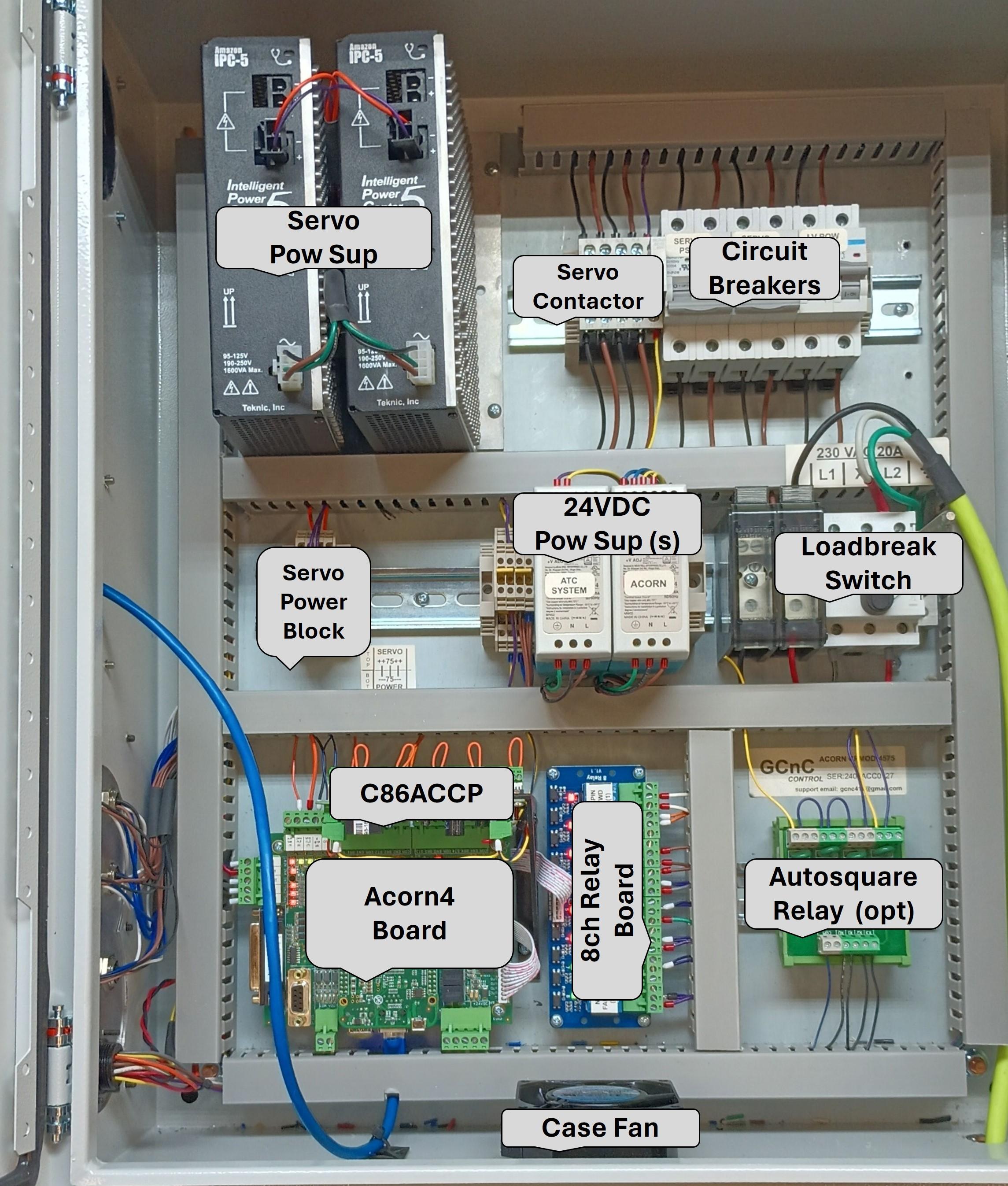
Servo drives receive coordinates from the controller and regulate high-power output currents to control torque and acceleration. The built-in PLC handles coolant cycles, tool changers, safety limits, and warning signals.
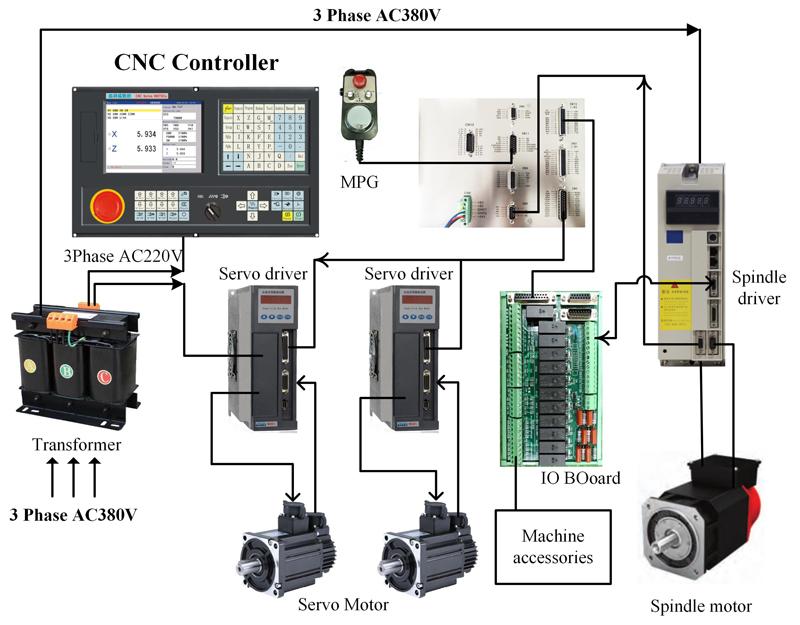
Brushless AC servo motors convert electrical drive currents into rotational torque to drive ball-screws and axes. Encoders send sub-micron feedback to the drive, closing the positioning loop for precision.
Complete machinery upgrades, wiring configurations, and on-site tuning support
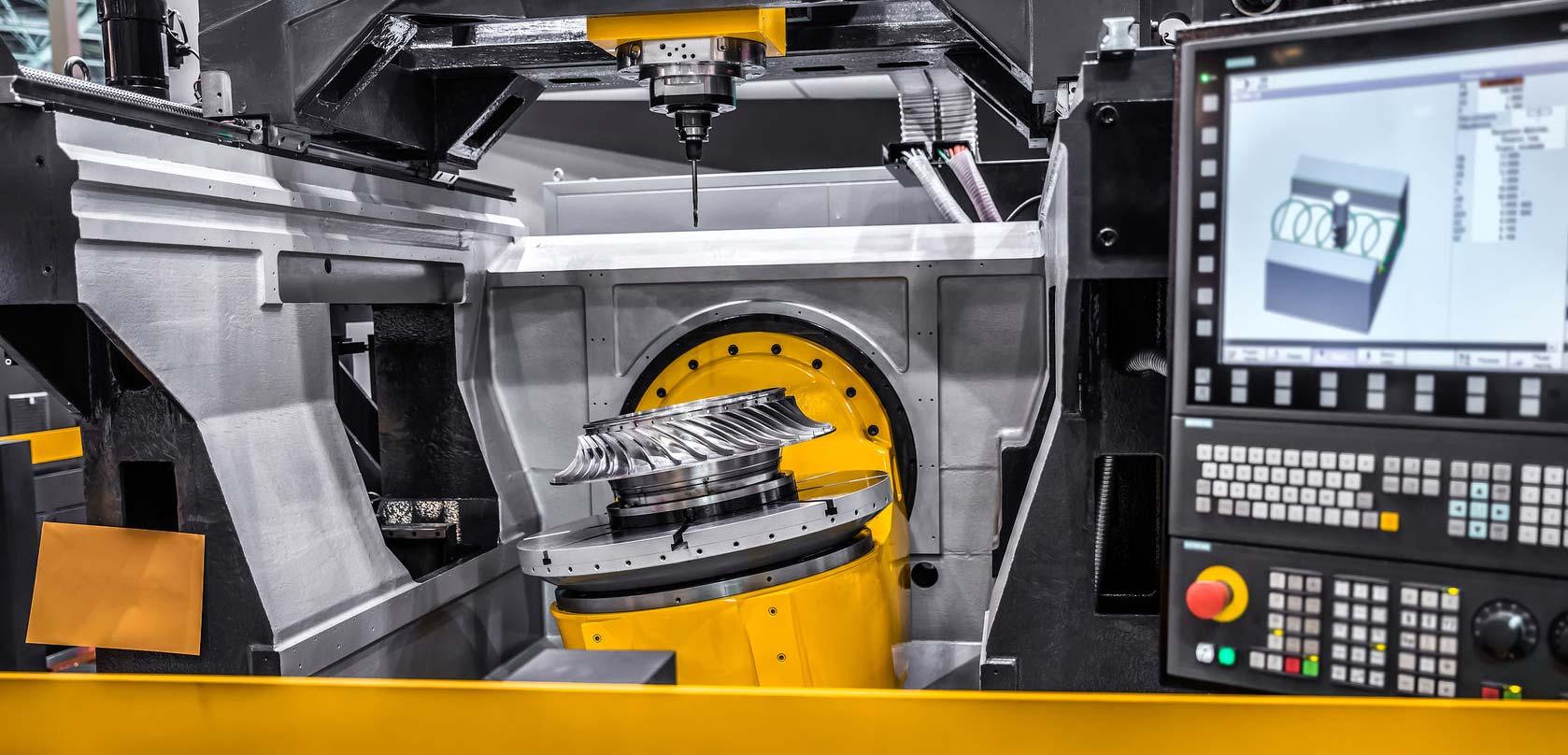
Complete layout drafting, cabinet wiring, system setup, axis limits calibration, and commissioning of new CNC processors to prepare workshop tools for heavy machining loads.
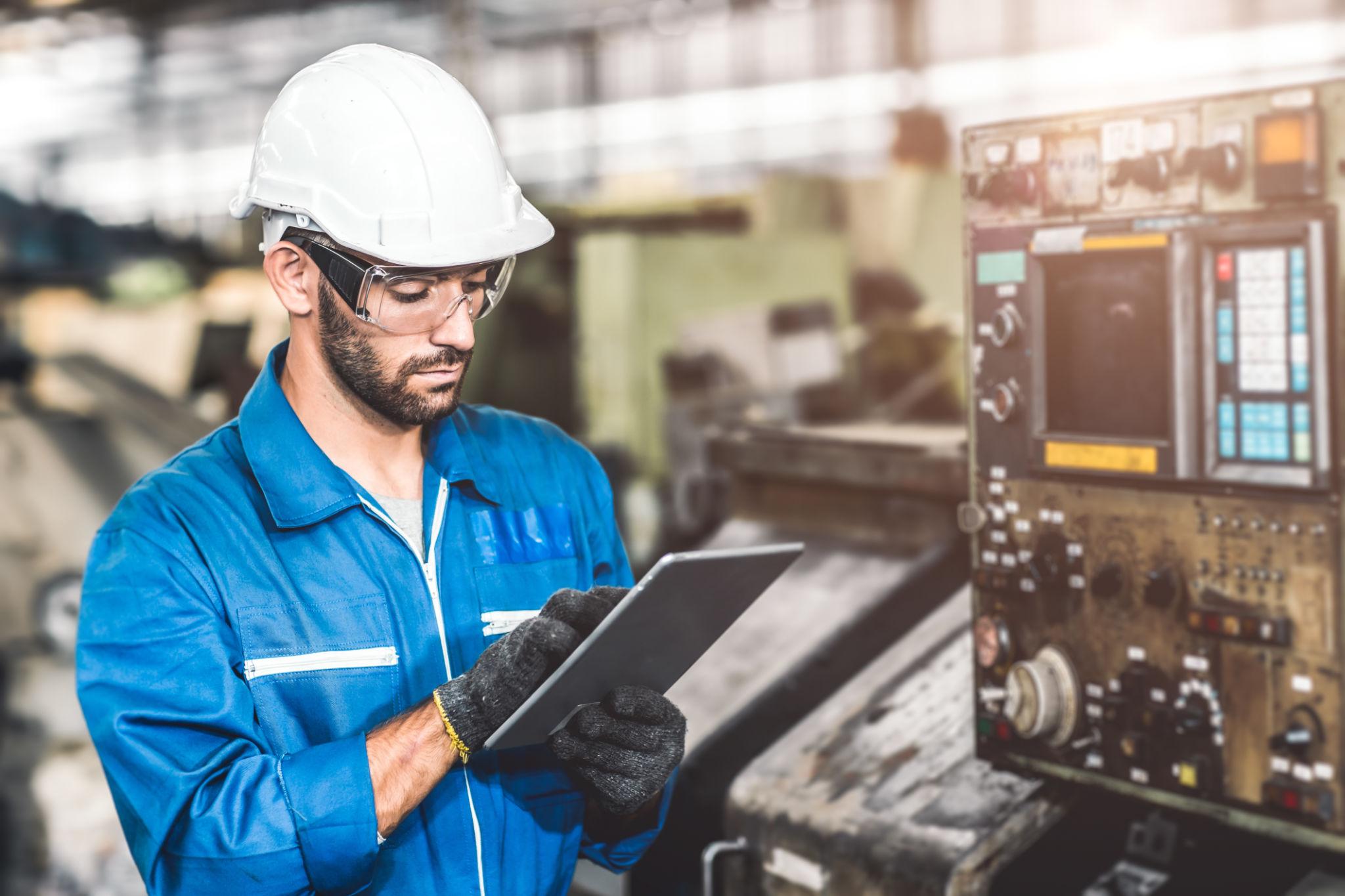
Breathe new life into legacy milling machines, boring mills, and massive lathes. Replace obsolete control boxes with modern processors, preserving the structural mechanics while upgrading interface technology.
Boost factory performance, minimize scrap, and simplify programming
Ensures precise machining and consistent production quality across large batches with sub-micron repeatability.
Reduces cycle times, optimizes feed rates, and dramatically improves overall machinery efficiency and throughput.
Modern touch-screen HMIs simplify setup, G-code loading, and machine manual entries for faster operator training.